29/07/2024
The Metro, one of the major transportation technology projects in Ho Chi Minh City, is gradually shaping a significant turning point in urban development. The introduction of this system not only brings outstanding transportation benefits but also deeply impacts the structure and lifestyles of residents, opening up new prospects for sustainable development in this bustling city.
Experts emphasize that implementing a metro system in the current urban context of Ho Chi Minh City not only provides a great opportunity to restructure urban spaces but also requires careful and detailed planning.
"In urban development, building an urban railway system is considered essential for large cities. Based on the historical and natural development of Ho Chi Minh City, the implementation of the metro system not only offers an opportunity to restructure urban spaces but also marks a crucial step in public transportation development," said Assoc. Prof. Tran Mai Anh, Deputy Director of the International Training Institute at Ho Chi Minh City University of Architecture.
The year 2023 marked a significant milestone in Ho Chi Minh City's urban development strategy with the anticipated commencement of Metro Line 1. This is a notable achievement in the city's efforts to address transportation issues and opens up many prospects for sustainable development.
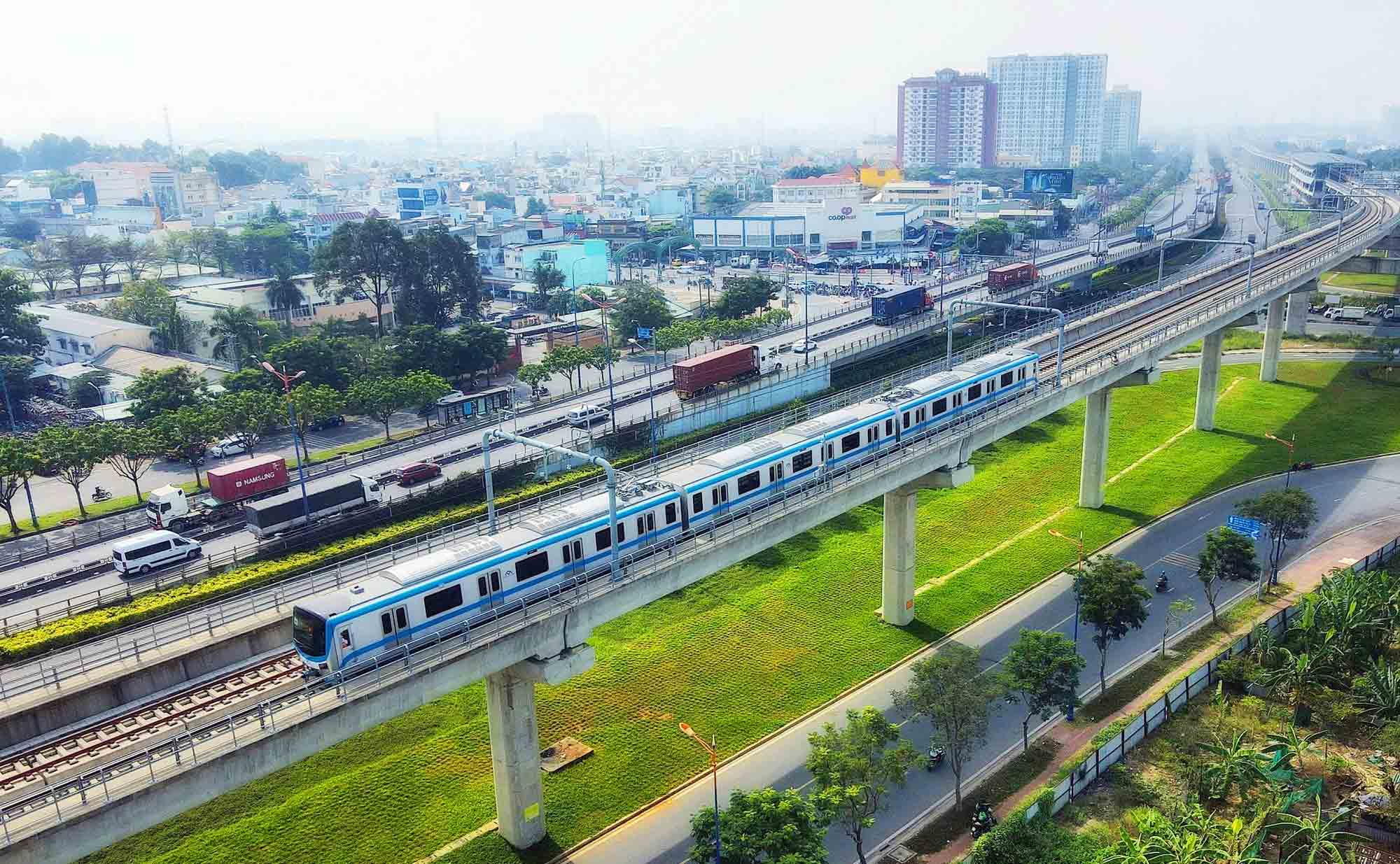
Experts and urban managers agree that the urban railway system will significantly impact urban spaces and landscapes around metro stations and along the railway line. Particularly, areas near planned metro stations are expected to become new development centers, attracting investment projects and enhancing real estate values. These areas could witness infrastructure development, services, and urbanization, bringing substantial benefits to the community.
However, these impacts need to be scientifically managed and regulated to ensure they focus not only on positive aspects but also consider potential negative factors such as increased traffic and noise. Planning must be rigorously designed to ensure harmony and sustainable development of Ho Chi Minh City's urban environment in the future.
Restructuring efforts
With a planning phase spanning 15 years and a 10-year construction period, Ho Chi Minh City's first metro line is progressively achieving significant milestones. This is an important achievement for the city as this railway system gradually becomes a reality amidst the city's longstanding infrastructure issues and congestion problems over the years.
Through detailed planning stages and numerous challenges, the metro line is not just a public transport project but also a strategic solution to alleviate pressure on the congested and cramped transport system. Its introduction not only provides convenience for commuters but also opens up prospects for sustainable development in areas surrounding metro stations.
Nevertheless, realizing substantial benefits from this project requires Ho Chi Minh City to continue facing and resolving challenges related to system management, maintenance, and operation, while ensuring the highest sustainability and efficiency for future transportation infrastructure.
According to Assoc. Prof. Tran Mai Anh, Ho Chi Minh City is now seen as a large and vibrant metropolis, with increasing scale and urbanization. This necessitates urgent development of urban railways to meet major infrastructure changes currently underway. However, in the context of a city with a long history of spontaneous development like Ho Chi Minh City, implementing the metro system not only provides an opportunity to restructure the city but also opens up new prospects for orienting development towards public transport.
The metro not only helps address traffic congestion but also promotes harmonious and sustainable development in areas around metro stations. Optimizing land use and connecting infrastructure around metro stations can create new economic centers, improve quality of life for residents, and contribute to urban development balance.
On the other hand, the success of the metro project cannot be achieved easily and requires rational management and planning from urban managers. This underscores the need for thorough research and proposals for appropriate solutions to ensure the project's effectiveness and sustainability, from design to operation and maintenance stages.
Ho Chi Minh City faces significant challenges in renovating old urban areas to transform them into high-quality residential areas closely linked to public transportation. The goal is to create more favorable conditions for residents to access retail, personal services, healthcare, education, and entertainment facilities.
According to experts, investing in metro systems in Ho Chi Minh City offers a great opportunity for urban restructuring. However, the success of this process requires thorough research to avoid haphazard restructuring focused solely on short-term benefits and lacking sustainability.
To achieve this goal, there needs to be consensus and decisive action from urban managers, alongside developing appropriate strategies to optimize redeveloped areas, from design to management and operation. Only then can Ho Chi Minh City fully exploit the potential of the metro system to improve residents' quality of life and achieve sustainable urban development in the future.

Thu Thiem urban area benefits from the Metro System
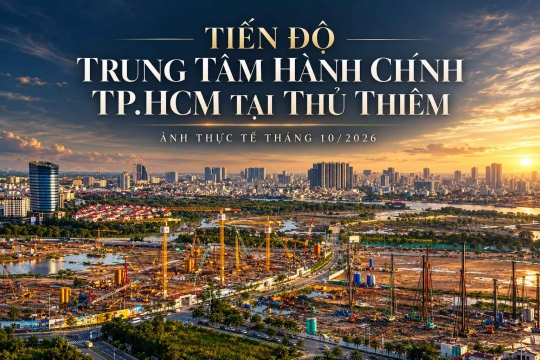
The Thủ Thiêm area, located in the heart of Ho Chi Minh City, is expected to benefit greatly from the metro system deployment. With its large development potential and strategic location, Thủ Thiêm could become one of the modern urban centers, attracting investments and improving residents' quality of life.
Convenient connectivity infrastructure
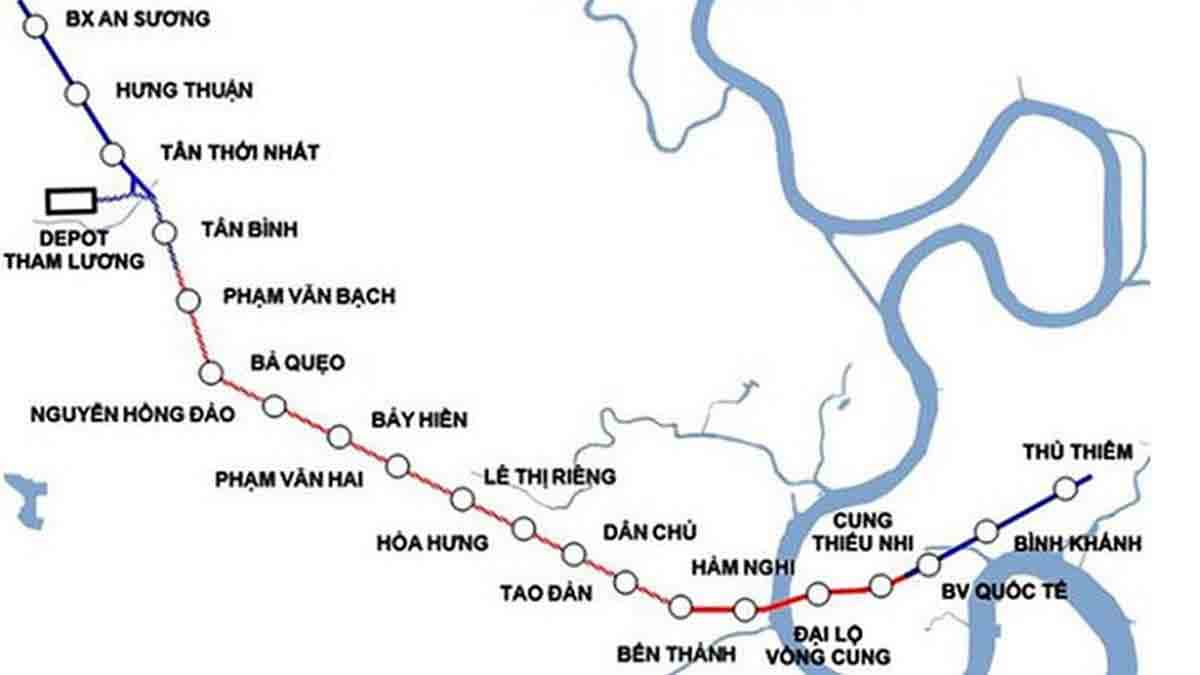
Having a metro station in the Thủ Thiêm area will significantly improve its transportation infrastructure. Residents and workers will find it easier to commute to other vital points in the city, such as the financial center in District 1, the business district in Bình Thạnh, and other nearby areas. This will not only reduce traffic congestion but also save daily commuting time, enhance work efficiency, and improve quality of life.
Real estate and infrastructure development
With the presence of the metro system, Thủ Thiêm is expected to attract new real estate projects and complementary infrastructure. Investors and businesses will likely pour investment into this area to leverage its transportation advantages for developing residential, office, commercial, and service projects. This development will not only create new opportunities for the real estate sector but also generate employment and attract significant investment capital from both domestic and international sources.
Enhancing quality of life and living environment
In particular, the metro will contribute to improving the living environment of Thủ Thiêm residents by reducing noise and air pollution from personal vehicles. Public transportation usage will encourage the use of electric and bus vehicles, reducing emissions from personal vehicles, contributing to environmental protection and community health. Additionally, Thủ Thiêm will become greener with planned greenery and parks, creating a clean and refreshing living space.
In summary, the deployment of the metro system will bring significant benefits to the Thủ Thiêm area, from transportation infrastructure to real estate development, improving quality of life and living environment. This is seen as a crucial step in enhancing the position and investment attractiveness of the central Ho Chi Minh City area.
Achieve Realty VN is currently distributing real estate projects of the new Thu Thiem urban area. If you need more information, please get in touch with the address:
Hotline: +8486 888 2539
Email: sales@achievereal.com