03/07/2025
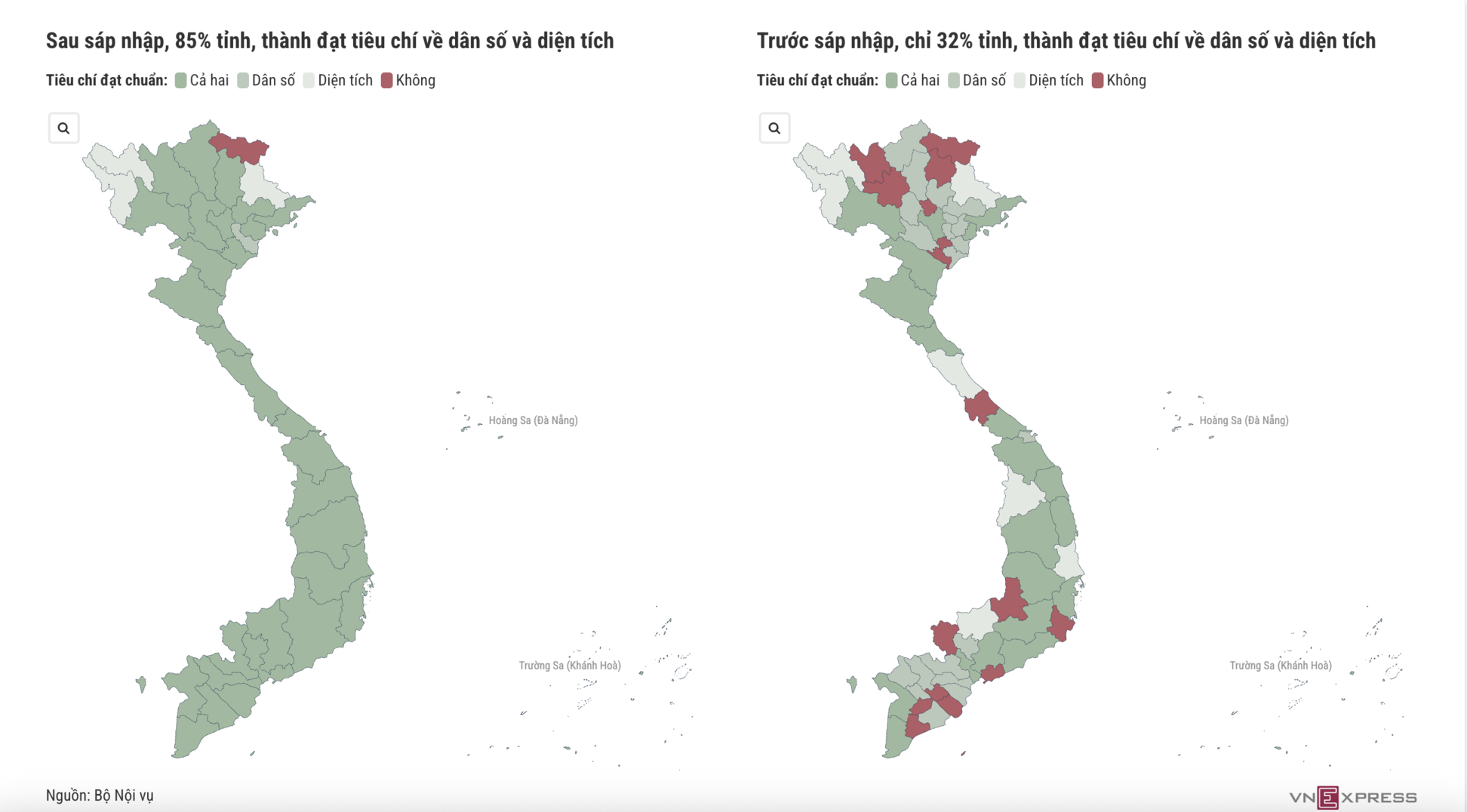
On July 1, 2025, Vietnam officially merged to reduce 46% of provincial-level focal points, bringing the total number from 63 to 34 provinces and cities, including 6 centrally-run cities and 28 provinces. This is an important milestone in the country's administrative adjustment process, and also a sign of the birth of the first megacity in Vietnam after the merger. Ho Chi Minh City (HCMC), with its strategic location and strong development potential, has officially become the megacity of the entire Southern region. In the article below, Achieve Realty VN will analyze in detail the first megacity in Vietnam after the merger, the huge impacts on the economy, society and real estate, and attractive investment opportunities for domestic and foreign investors.
Administrative management mechanism
From July 1, Ho Chi Minh City (HCMC) officially merged with the two provinces of Binh Duong and Ba Ria - Vung Tau, forming a new megacity. This is an important administrative change in the history of urban development in Vietnam, not only helping HCMC expand its scale but also creating great opportunities for economic, social and real estate market development. The area of HCMC after the merger will increase significantly, including areas of Binh Duong and Ba Ria - Vung Tau. The population will also increase sharply, from about 9 million people to nearly 15 million people. This creates great potential for labor, consumer market and services, helping the city become one of the largest economic centers in Southeast Asia. After the merger, HCMC will have a significant change in administrative structure, no longer only maintaining districts, but will include wards, communes, and special zones. Specifically, Ho Chi Minh City will have:
- 113 wards;
- 54 communes;
- 01 special zone.
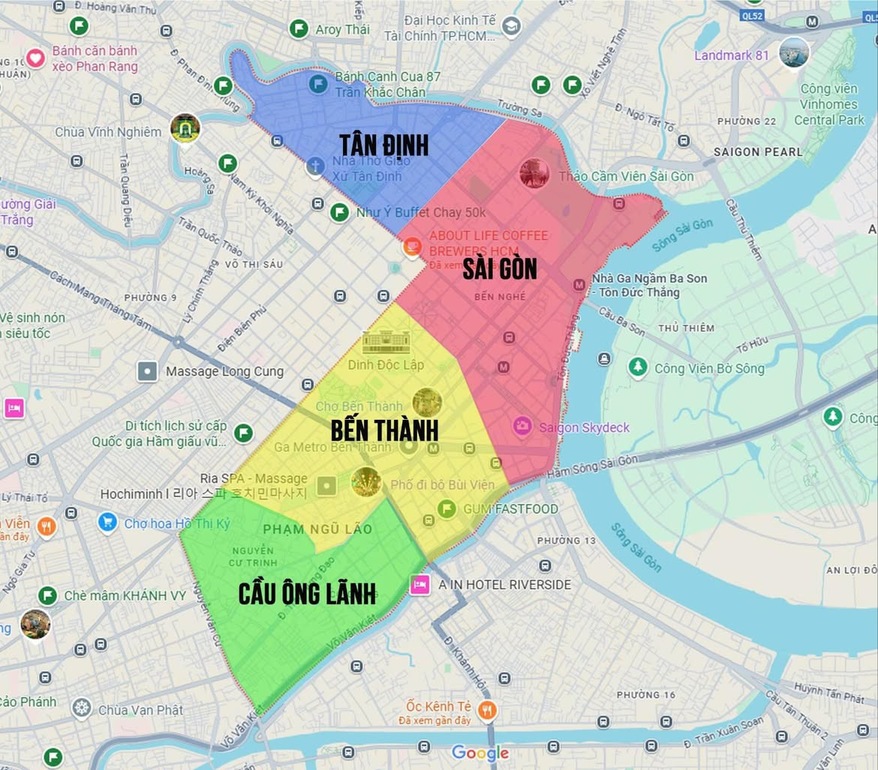
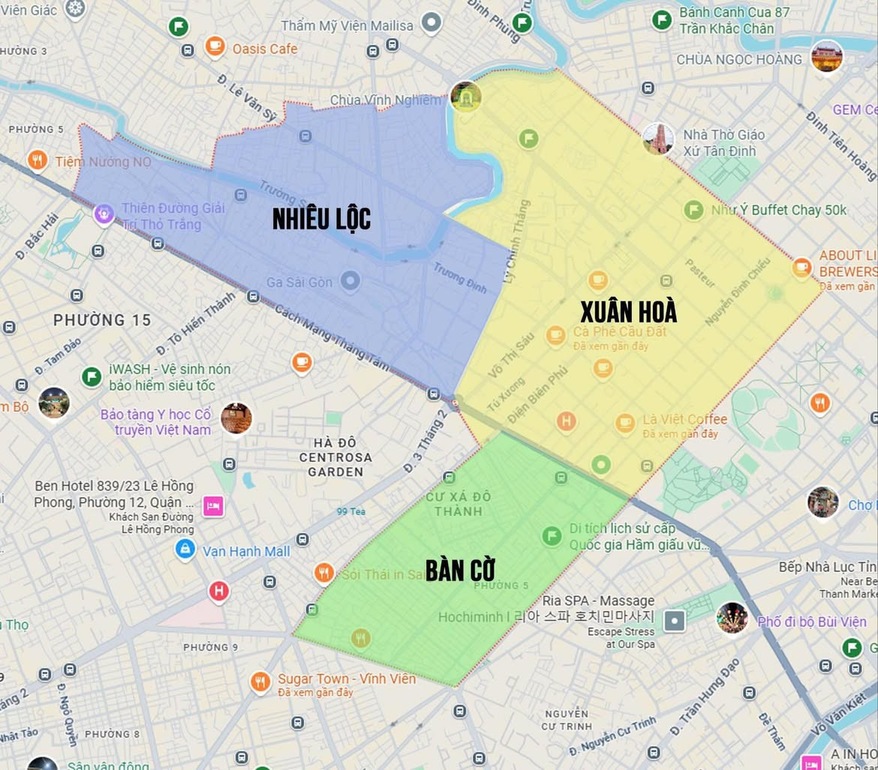
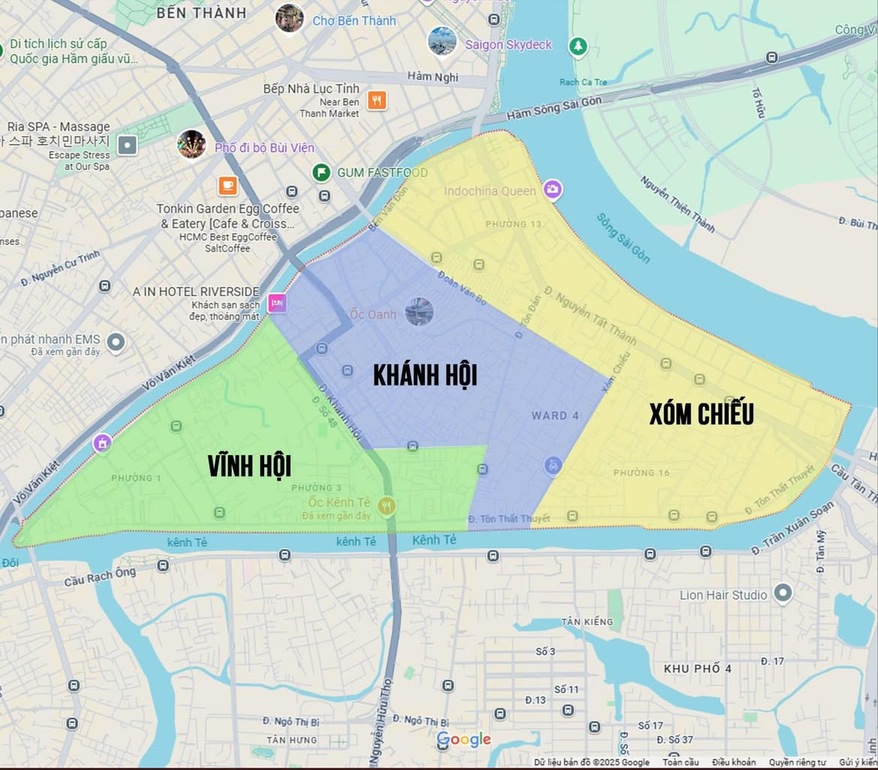
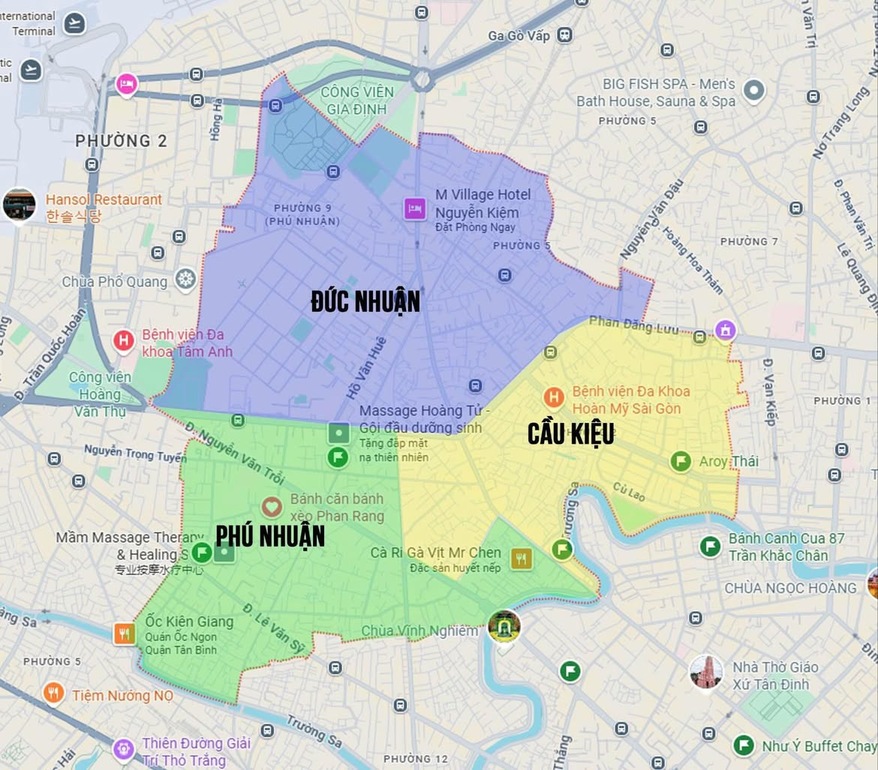
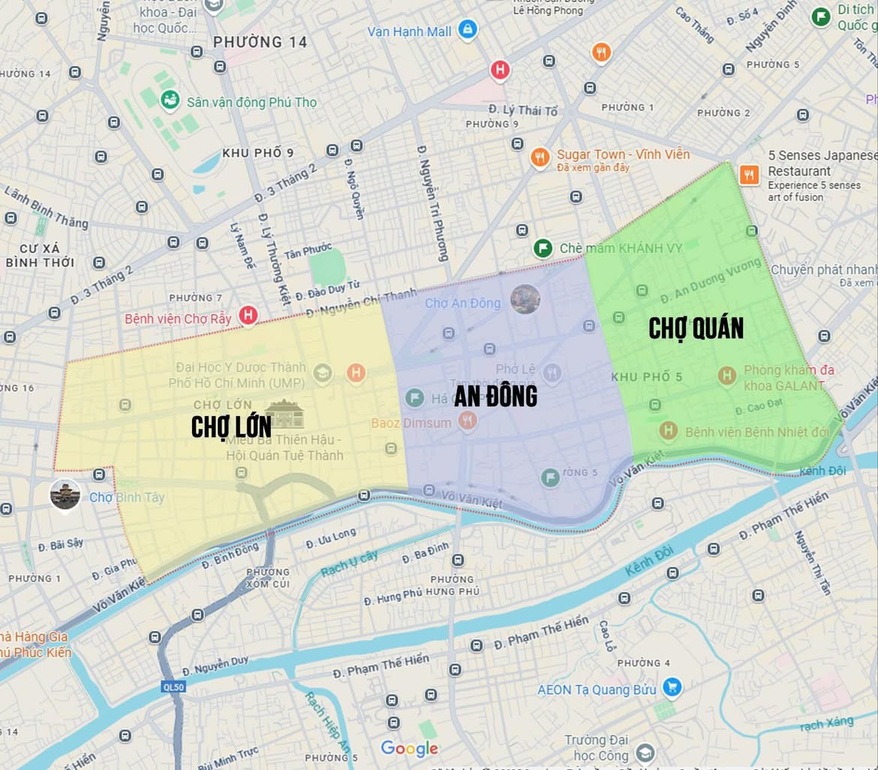
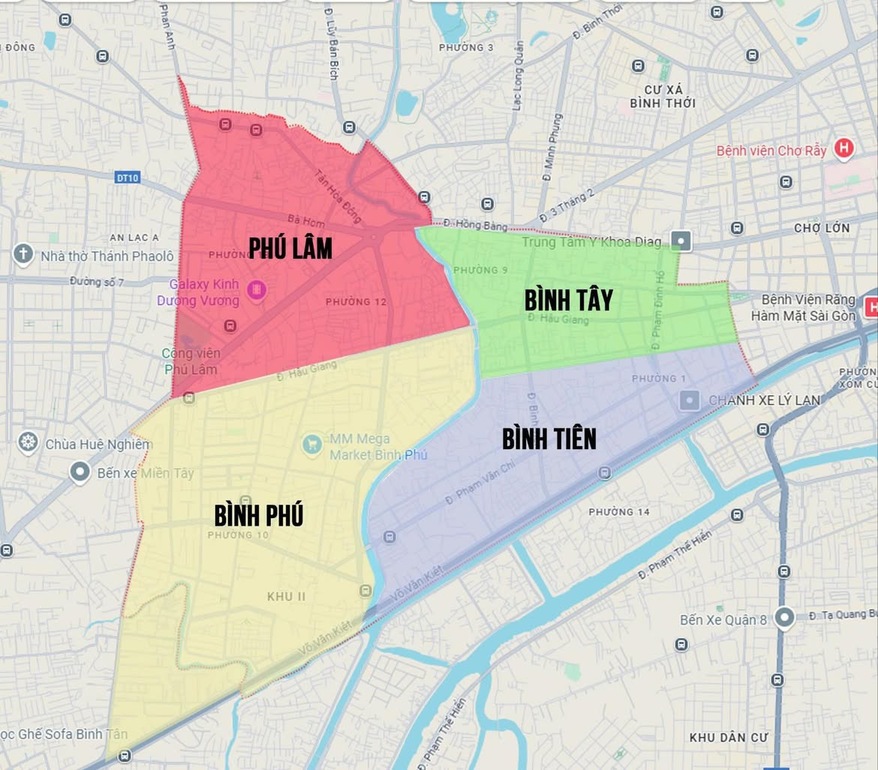
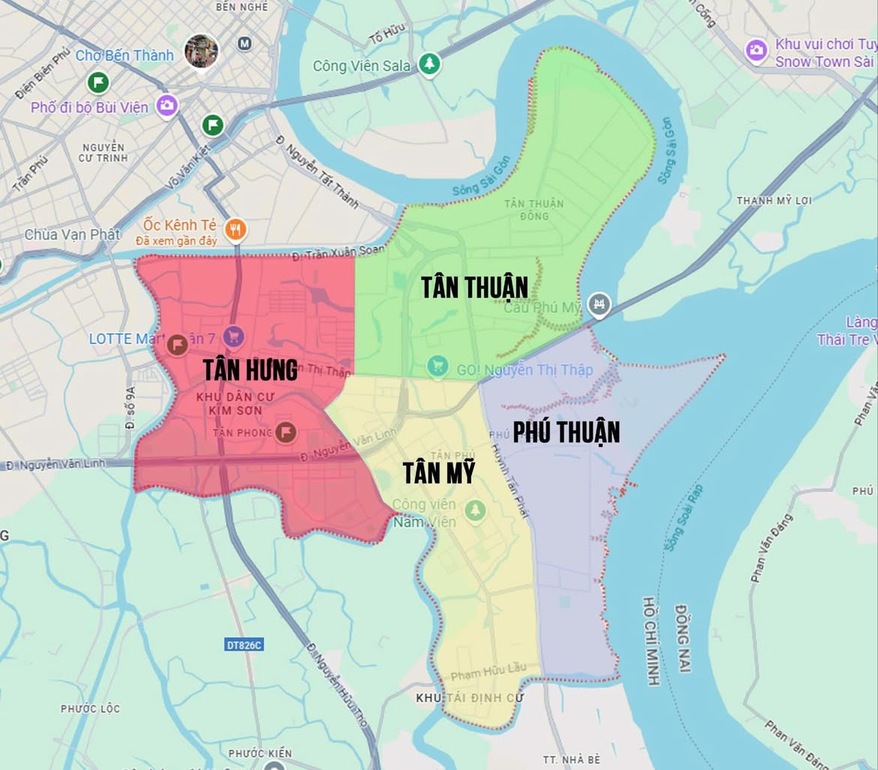
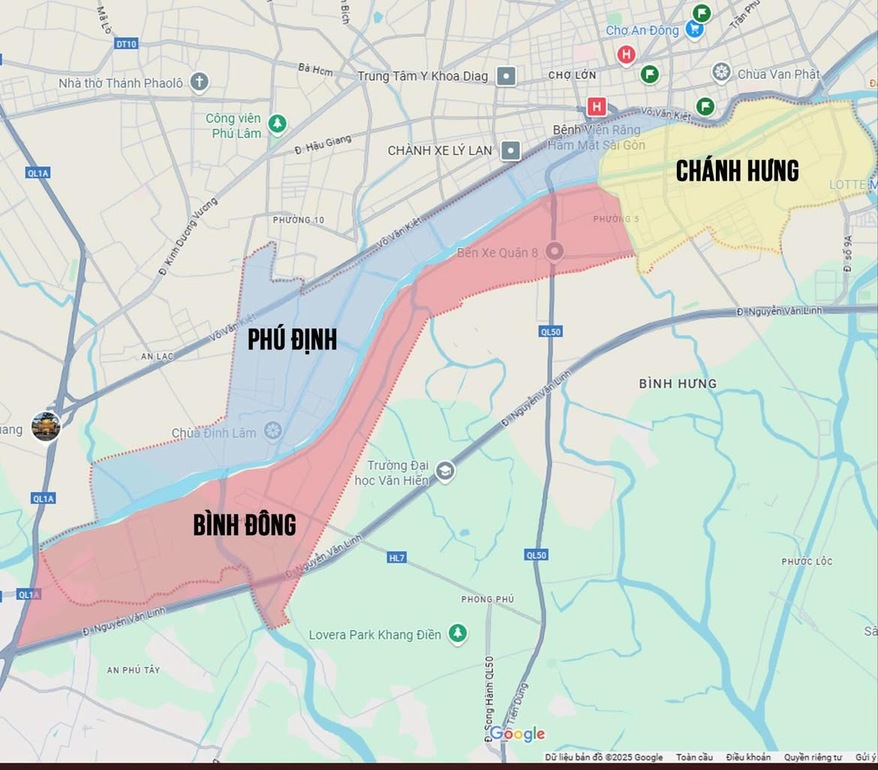
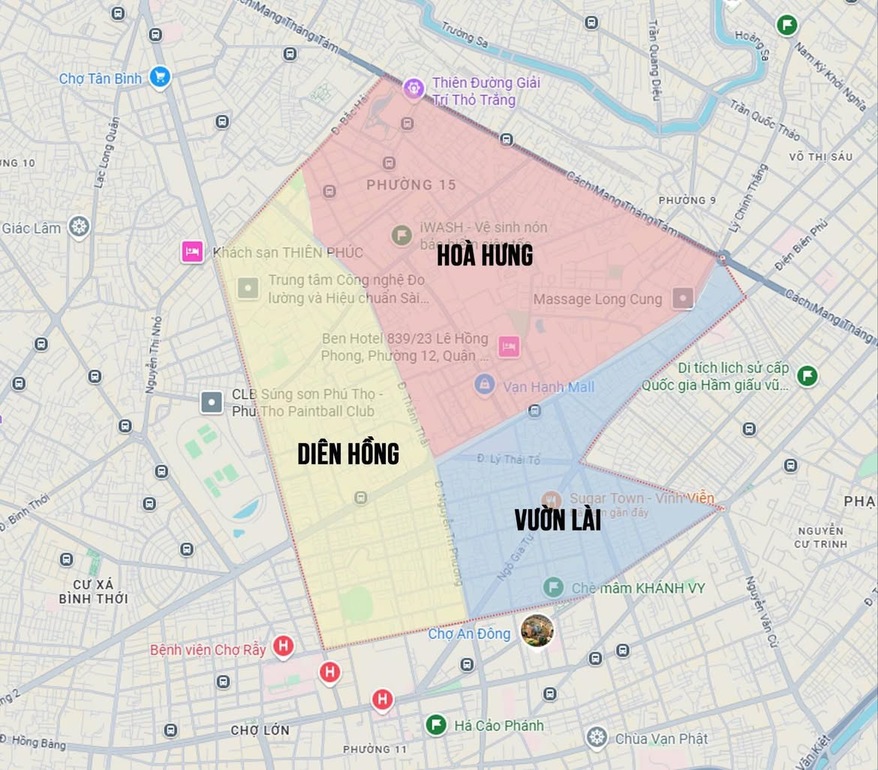
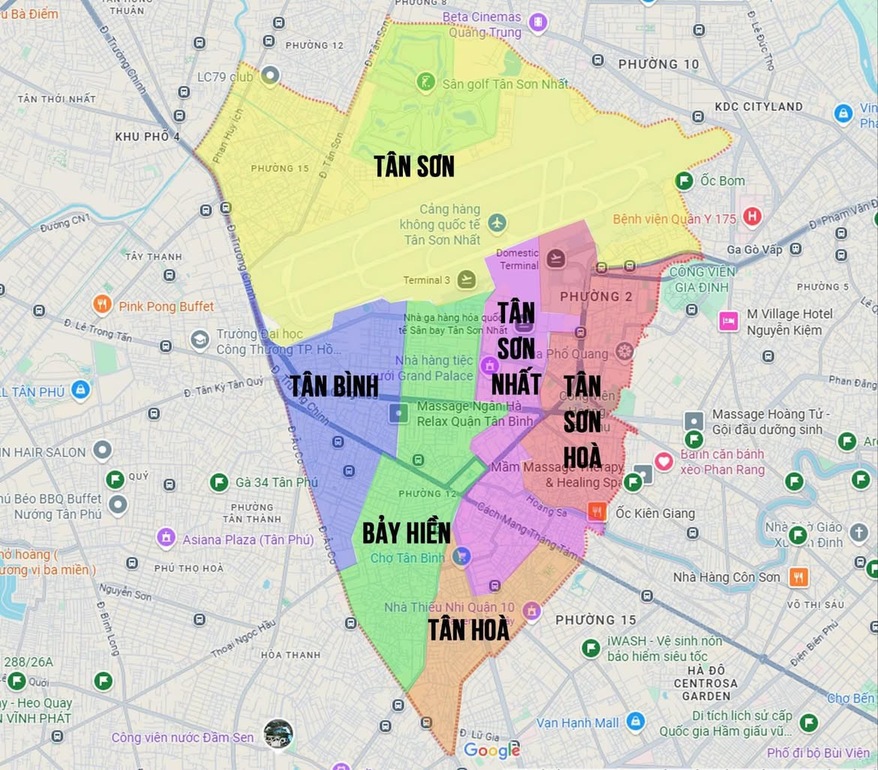
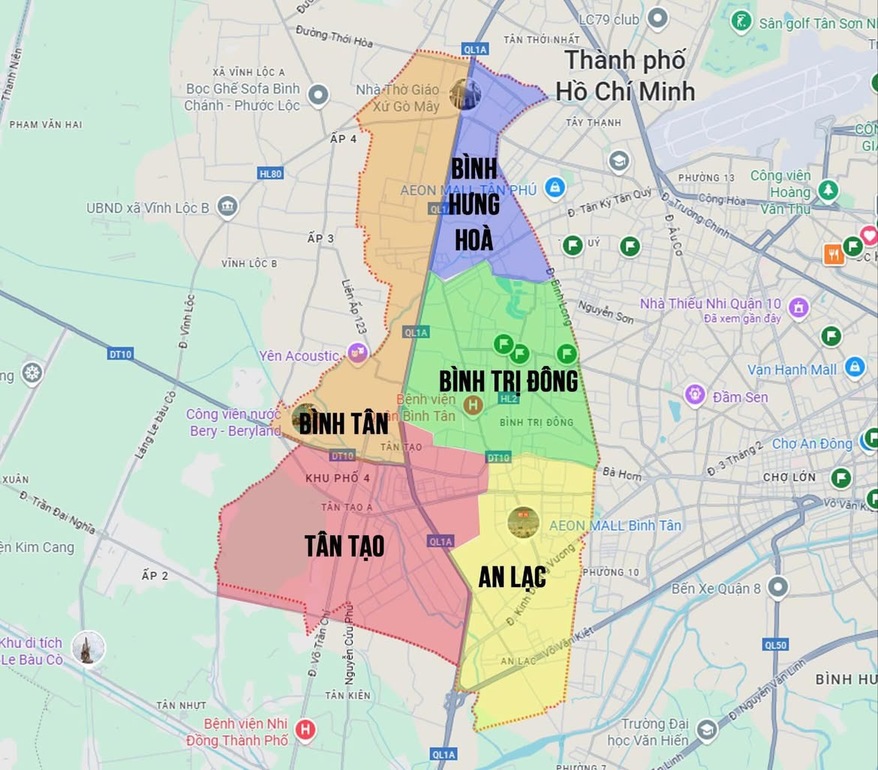
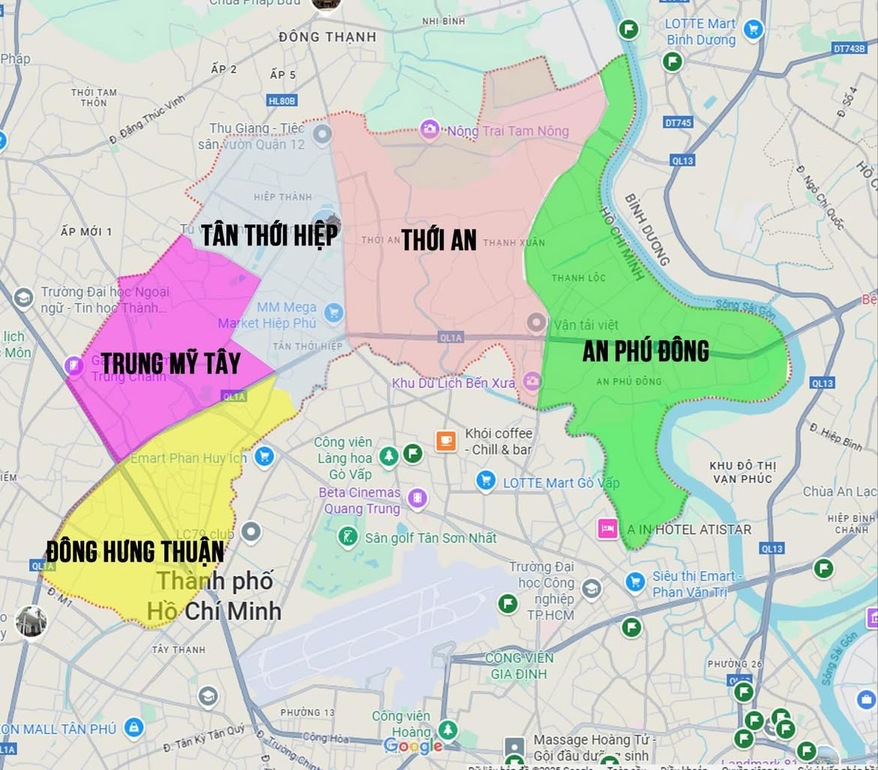
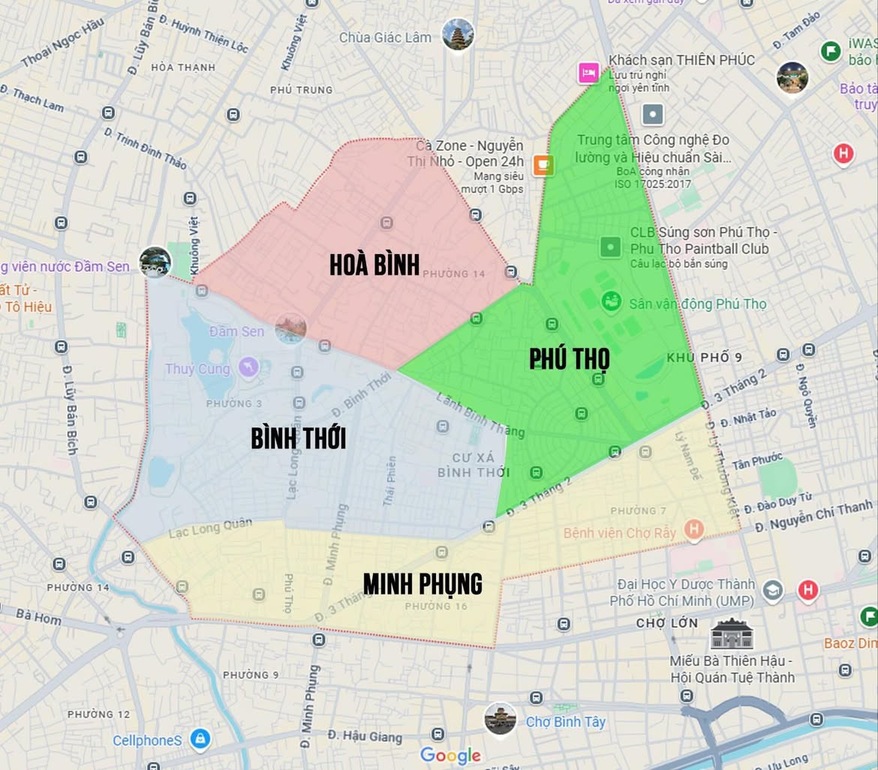
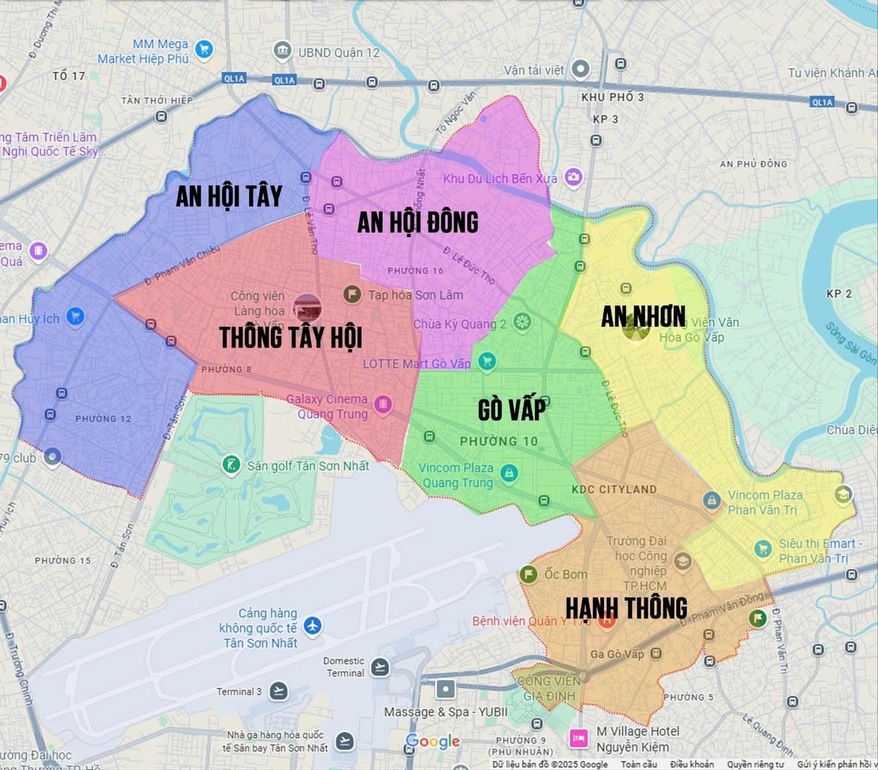
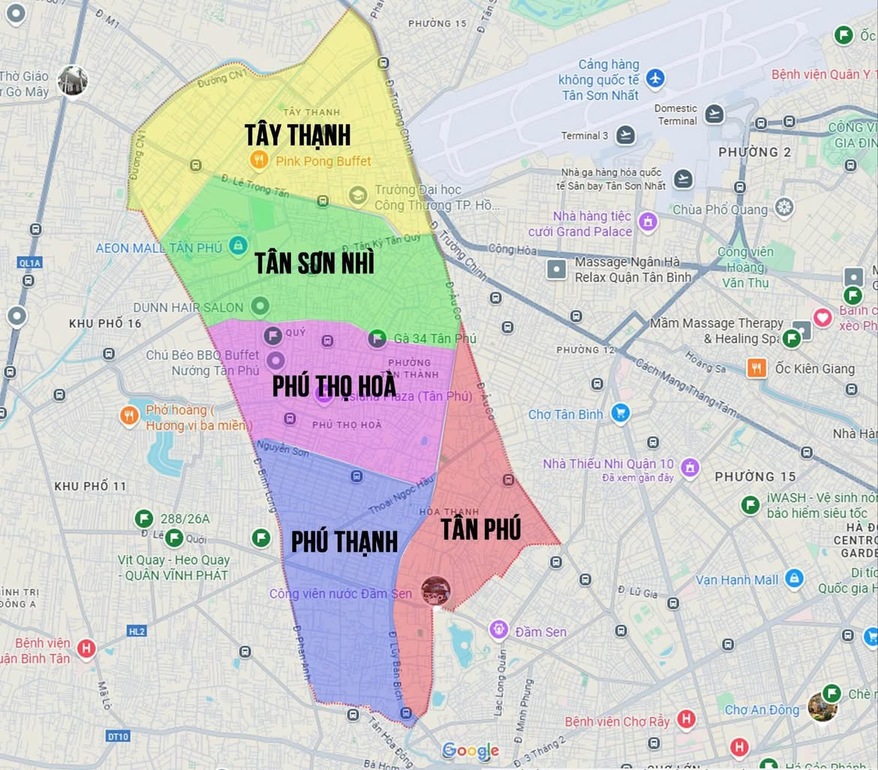
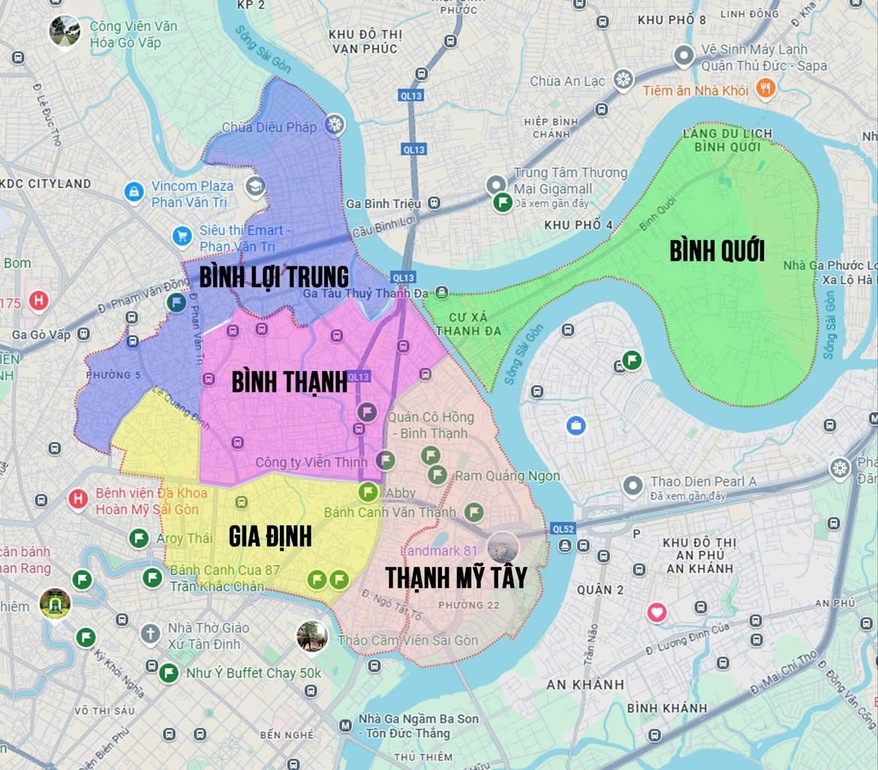
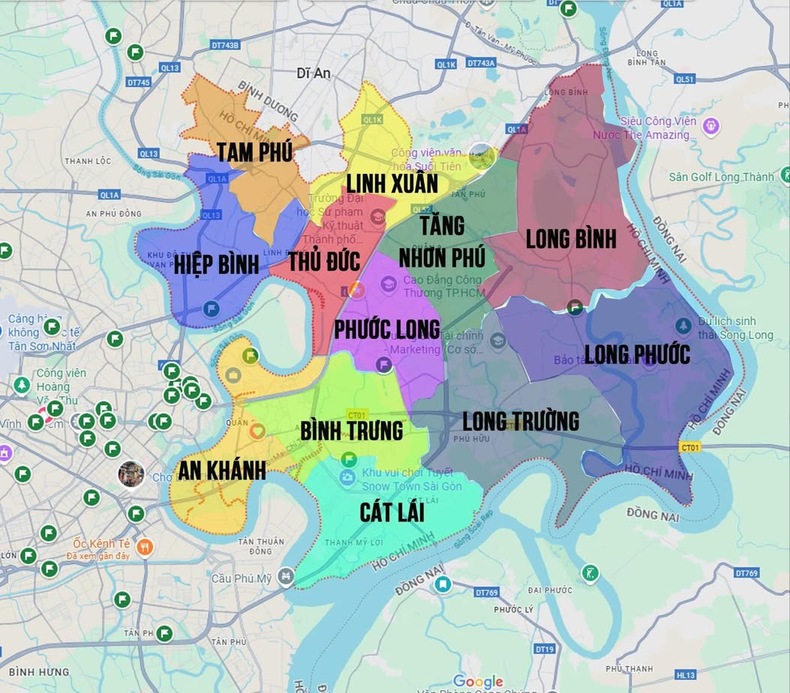
Of these, 112 wards and 50 communes will be formed after the administrative unit rearrangement. However, there are 5 commune-level administrative units that will not be rearranged and will remain the same, including:
- Thoi Hoa Ward,
- Long Son, Hoa Hiep, Binh Chau, and Thanh An communes.
With 168 wards and communes, Ho Chi Minh City is the locality with the most basic administrative units after the merger, of which 6/10 wards and communes are in the group with the largest population in the country. Ho Chi Minh City also has 9/10 wards and communes in the group with the highest population density in the country.
Reference: Update of wards and communes of Ho Chi Minh City after merger
Changes in Ho Chi Minh City after the merger
The merger with Binh Duong and Ba Ria - Vung Tau provinces has created a megacity with a larger area and population, promoting strong development in many fields.
- Expanding scale and contributing to national GDP:
After the merger, Ho Chi Minh City increased its contribution to the country's gross domestic product (GDP) from 15.5% to 24%, an impressive figure reflecting the city's growing economic strength. The city will have a GRDP of more than VND 2.7 million billion, nearly 108 times higher than the locality with the lowest economic scale. With this increased contribution, Ho Chi Minh City will not only continue to maintain its role as an economic "locomotive" but also be a strong growth driver for the entire Vietnamese economy, especially in the fields of industrial production, trade, finance and services.
- Strong budget revenue growth:
HCMC's budget revenue is also the largest in the country, 430 times higher than the lowest-ranking locality in budget revenue such as Dien Bien. This reflects the city's strong development in mobilizing and using financial resources, creating a solid foundation for infrastructure development projects and sustainable growth. Strong budget revenue will help HCMC invest in modern infrastructure projects, support development policies and improve the quality of life for residents.
- Large seaports and logistics continue to develop:
HCMC owns the largest seaport system in Vietnam, including Cat Lai port, Hiep Phuoc port and other ports. Cat Lai port, located in District 2, is one of the most modern seaports in Southeast Asia and is capable of receiving thousands of large container ships each year, strongly promoting Vietnam's import and export activities. The expansion of seaport infrastructure will continue to contribute greatly to the city's GDP and facilitate Ho Chi Minh City's connection with international markets.
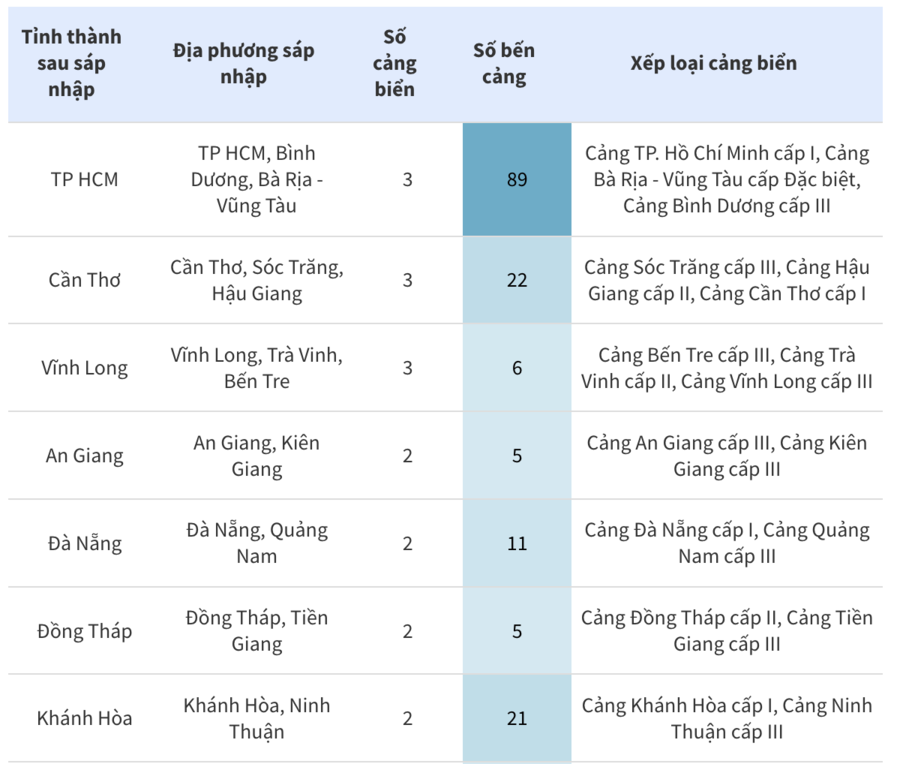
The development of seaports and logistics centers will help Ho Chi Minh City become a stronger international trading center, promoting the export of key goods such as electronics, textiles, processed foods and wooden furniture, creating millions of jobs and contributing to the development of supporting industries. In addition, the increase in area and population after the merger has also helped Ho Chi Minh City develop strongly in terms of competitiveness. The city continues to maintain its role as Vietnam's financial and commercial center with a strong system of banks, credit institutions, and stock exchanges. Ho Chi Minh City is also an international connection center with modern infrastructure such as Tan Son Nhat airport and metro lines, highways connecting areas inside and outside the city. The expansion of scale and opportunities from the merger with neighboring provinces help Ho Chi Minh City become an attractive destination for international investors, promoting international integration and sustainable growth.
Impact of mergers on the real estate market
The formation of the mega-city of Ho Chi Minh City after the merger has changed the face of the city, and also created far-reaching impacts on the real estate market. This change will open up great opportunities for investors and promote even development among areas in the city.
With the merger of suburban areas, Ho Chi Minh City will expand in area, and areas such as. With investment in transportation and infrastructure projects, real estate values in these areas are expected to increase sharply in the coming years. Investors can find great profit opportunities thanks to the synchronous development of utilities and convenient connections with other areas in the city. The Ho Chi Minh City - Trung Luong Expressway expansion project helps quickly connect Ho Chi Minh City and suburban areas, reduce traffic congestion and promote the development of neighboring urban areas. The traffic infrastructure project connecting to Cu Chi area will expand opportunities for the development of residential areas and land in these areas, creating a new potential market for investors. Thanks to improved infrastructure, the demand for housing in these areas will increase, creating great opportunities for investors. Typical projects in this field include:
In short, the merger of Ho Chi Minh City with Binh Duong and Ba Ria - Vung Tau has created a powerful metropolis, opening up many great opportunities for the economy and real estate market. With the increase in area, population and strong development of infrastructure, the new Ho Chi Minh City not only continues to be the largest economic center in Vietnam but also attracts domestic and foreign investors. Hot spots in the real estate market thanks to investment in transportation and infrastructure, creating great profit opportunities. In addition, economic complex projects, industrial parks and commercial centers not only promote economic development, and improve the quality of life for residents, making Ho Chi Minh City an attractive destination for investors and promoting the sustainable development of the city.