02/08/2025
The Government is aiming to put international financial centers in Ho Chi Minh City and Da Nang into operation before the end of 2025, considering this a strategic step to attract financial resources and promote socio-economic growth.
This content is clearly stated in the Action Plan for the Development of International Financial Centers in Vietnam, which has just been signed and issued by Prime Minister Pham Minh Chinh. At the conference to implement the National Assembly's Resolution related to this project held on the morning of August 2 in Ho Chi Minh City, Minister of Finance Nguyen Van Thang officially announced the above decision.
According to the plan, the Government will build a modern financial ecosystem, including developing new markets such as commodity and carbon exchanges, promoting high-tech financial services such as digital banking, fintech, and training high-quality human resources to serve the operation of financial centers. This year, Ho Chi Minh City and Da Nang will gradually form a support service system according to international standards on legal, auditing and technology.
Another key aspect is the completion of a separate legal system for the international financial center, ensuring transparency, consistency and competitiveness. The policy mechanism will be specifically designed to attract global capital flows, modern technology, advanced management models and international experts, while still firmly protecting national financial and monetary security.
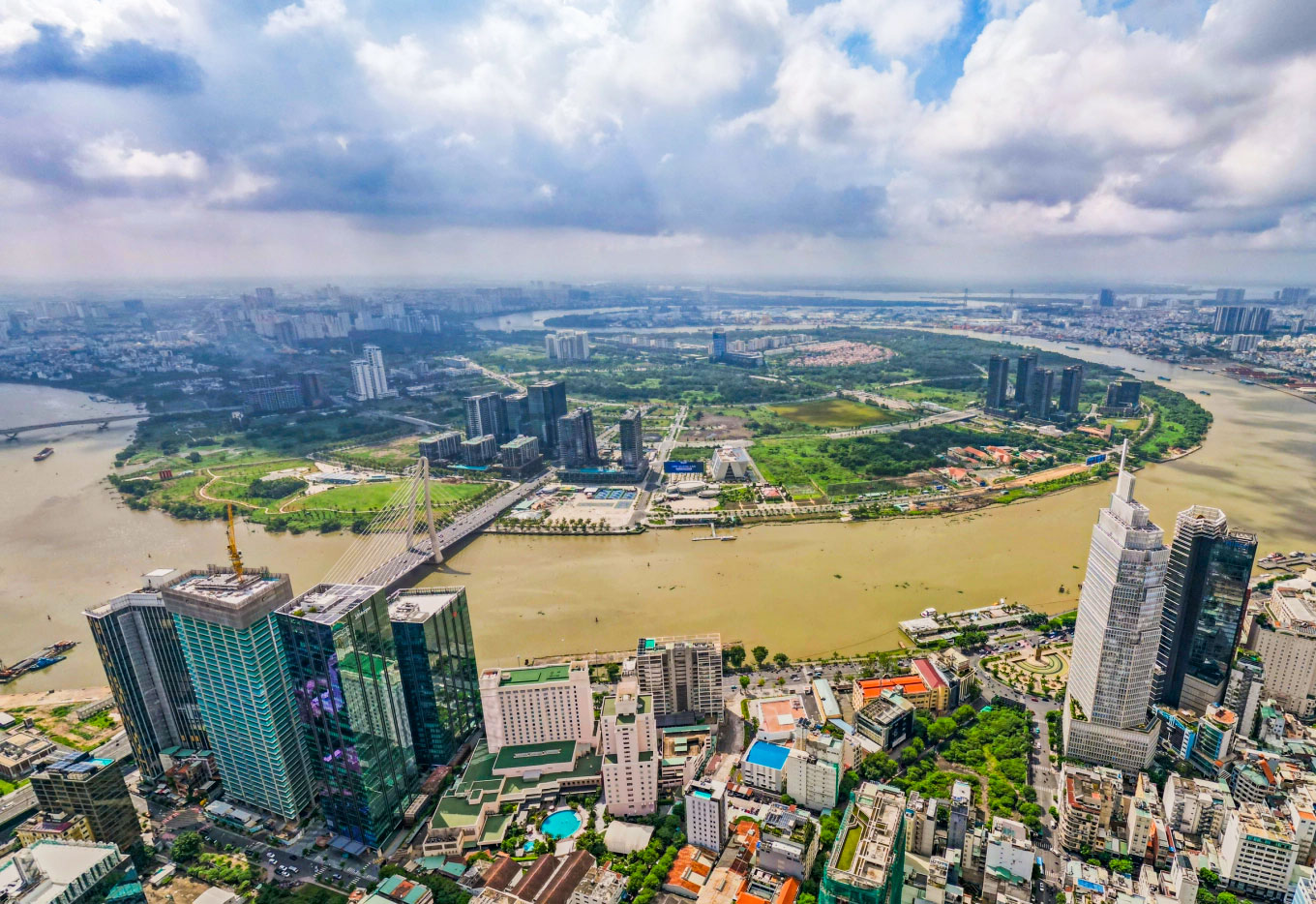
From now until the end of the year, the Government will focus on completing a special legal mechanism, upgrading the operating apparatus, and accelerating the construction of infrastructure in key areas such as Ben Thanh, Saigon and Thu Thiem in Ho Chi Minh City, as well as planning areas in Da Nang. This includes the deployment of digital technology, comprehensive 5G coverage and testing of blockchain platforms for digital assets and NFTs.
The larger goal is to create a favorable investment, living and working environment for investors and experts. Along with that, the innovation ecosystem will be promoted to increase comprehensive competitiveness.
The Government also assigned ministries, branches and two cities to survey international financial center models in the world, and at the same time establish a coordination and monitoring mechanism throughout the implementation process. The Prime Minister requested relevant units to develop specific plans, ensure progress and proactively handle arising problems.
Also on the morning of August 2, the Steering Committee of the International Financial Center was officially launched with Prime Minister Pham Minh Chinh as Head of the Committee. The five Deputy Heads of the Committee include senior leaders such as Permanent Deputy Prime Minister Nguyen Hoa Binh, Secretary of the Ho Chi Minh City Party Committee Nguyen Van Nen, Minister of Finance Nguyen Van Thang, Governor of the State Bank Nguyen Thi Hong and Secretary of the Da Nang Party Committee Nguyen Van Quang. The Steering Committee also has the participation of many other leaders of ministries and branches.
Previously, on June 27, the National Assembly passed a Resolution on the development of an international financial center in Vietnam, with more than 93.5% of delegates in favor. The Resolution officially took effect from September 1, orienting the construction of two centers in Ho Chi Minh City and Da Nang under a common management model but developing according to the strengths of each locality.
Ho Chi Minh City will focus on the fields of banking, capital markets, fintech sandboxes and specialized trading floors, while Da Nang prioritizes green finance, financial technology, digital services, and controlled experiments on digital assets and cryptocurrencies, to attract domestic and foreign investment funds.
The Resolution also stipulates a series of strong incentive policies such as allowing land leases for up to 70 years, exempting personal income tax for foreigners until 2030, and corporate income tax incentives of 10% for 30 years, with 4 years of tax exemption and the next 9 years of 50% reduction. In addition, the dispute resolution mechanism will be more flexible, allowing the choice between international and domestic arbitration.
Currently, Ho Chi Minh City and Da Nang are ready in terms of infrastructure and human resources, and are actively seeking strategic partners to implement the international financial center model.