20/11/2024
Vietnam is emerging as a bright spot on the global investment map. With advantages like abundant labor resources, competitive production costs, and a proactive open-door policy, coupled with attracting significant foreign direct investment, particularly from major technology corporations, Vietnam is on the path to becoming "the world's new factory". The US-China trade war has further accelerated this process, as many companies have moved their production lines to Vietnam to take advantage of lower labor costs and favorable policies. There are opinions that Vietnam could become "the next China" and that Vietnam's "economic reforms and market opening" might replicate the economic miracle seen during China's economic reforms.

Since 2007, the Vietnamese economy has witnessed a period of rapid growth. The GDP has consistently exceeded growth expectations, maintaining an annual growth rate of over 5%, and in recent years, it has risen to 7%. This impressive growth is the result of several factors, including foreign direct investment, the development of the luxury real estate sector, and deep integration into the global economy.
Vietnam's rapid growth has caught the attention of global investors, turning the country into a new "gold mine". Along with this is a strong surge in the demand for real estate ownership in Vietnam. Explore exciting opportunities with Achieve Realty VN and learn the simplest home buying process in just 3 minutes through the article below!
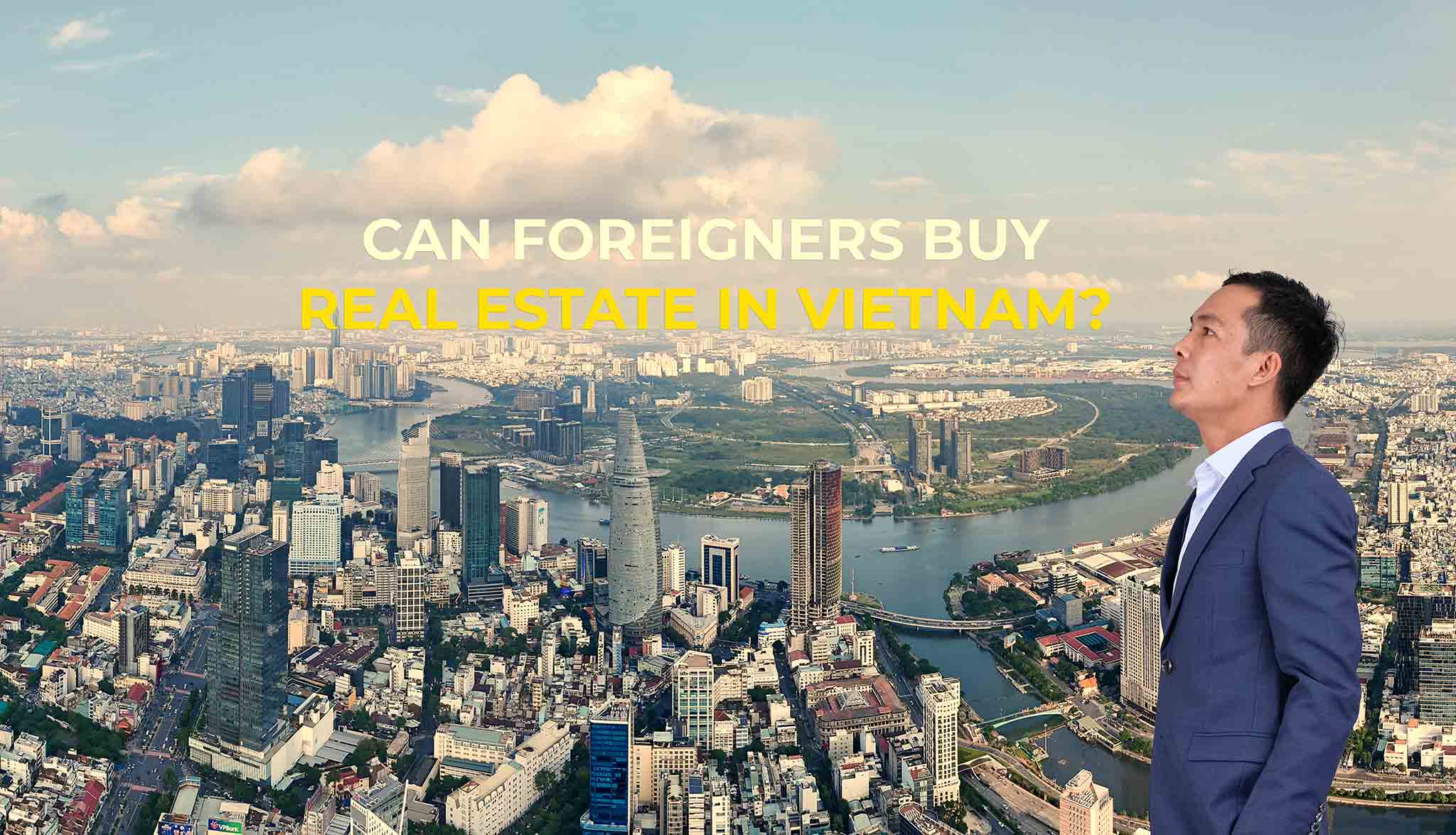
Can foreigners buy houses in Vietnam?
Before 2015, foreign ownership of real estate in Vietnam was quite restricted. Foreigners often had to purchase through Vietnamese intermediaries, which posed many risks of fraud. However, as of July 1, 2015, the Housing Law has marked a significant turning point. Foreigners can now directly own properties in Vietnam like Vietnamese citizens. However, there are still some regulations to note:
The types of housing currently available in the Vietnamese real estate market are single-family homes and apartments.
Single-family homes: Typically older style homes, where Vietnamese own both the house and the land indefinitely.
Apartments: Popular among the younger generation and suitable for the investment needs of foreigners. Foreigners can own apartments for a maximum period of 50 years, which can be extended once, therefore the ownership can be considered up to 100 years.
Foreigners should note the following: Due to ownership restrictions, foreigners are discouraged from buying used homes. However, if foreigners still wish to buy, they can only purchase from another foreigner. If foreigners wish to sell used homes, they can sell to both locals and foreigners.
Regarding loans, foreigners cannot take loans from Vietnamese banks to buy houses, along with very high local bank interest rates.
Necessary documents for buying a house include:
Home Buying Process: